Open water swimming is a legitimate sport, not an extreme adventure and a very low-carbon, environmentally friendly alternative to swimming at an aquatic centre.
Our club, Melbourne Open Water Swimming Club is part of Masters Swimming Australia and a Parks Victoria Licensed Tour Operator, meaning we are ensuring our members are participating in as safe and responsible environment as possible.
Thanks to the Carbon Literacy Project we have undergone carbon literacy training, assessed our footprint and are addressing our carbon risks.
Thanks to Parks Victoria we are providing a responsible, licensed, insured avenue for participating in open water swimming. All our swim group leaders are accredited, trained and experienced. All our groups operate with support and risk-assessed safety plans including full First Aid kits with a defibrillator. Our training partner, LifeSaving First Aid provides us with training for our volunteers and discounts for our members:
Many of our swimmers are members of Masters Swimming Australia and participate in championship events. Others are Open Water members of our club and participate in our (largely non-competitive) events, classes and swim groups.
Recently our club was awarded Bronze level accreditation from the Carbon Literacy Project and we have sent a video acceptance speech, rather than flying to Manchester for the ceremony.
World’s first club to be accredited as Carbon Literate.
The west end of Williamstown Beach, near the sheltered rock groyne (breakwater) is a busy access point for the public.
Traffic from the carpark, bus terminus and the shared pathway converge at this point. Currently public infrastructure does not support public use, access or safety.
Plans for the redevelopment remove benches from the pathway outside the fence and replace them with walls and ledges.
The public are squeezed by the fence onto the pathway and the busy traffic around the key access points to the beach. Many people don’t like getting changed on Esplanade, near crowds of people eating.
The poor state of the public facilities has led to many locals paying to join WSLSC to use the club changerooms, toilets, showers.
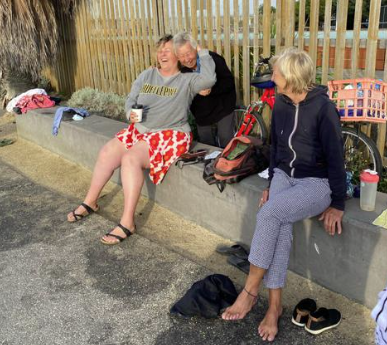
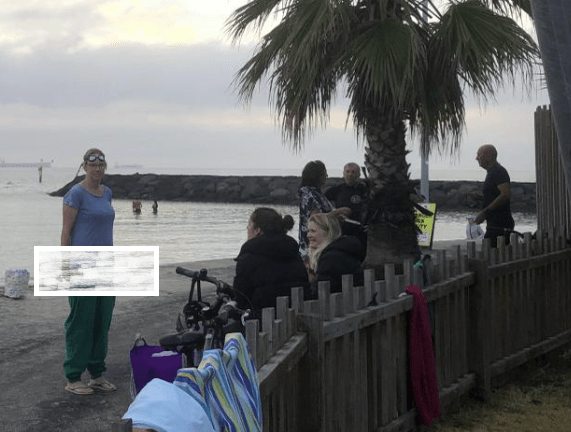
Under the plans currently proposed, the bench these women are using will be replaced with steps leading to a door and large rocks (see image below).
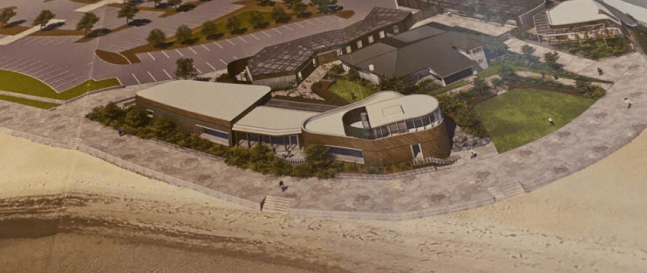
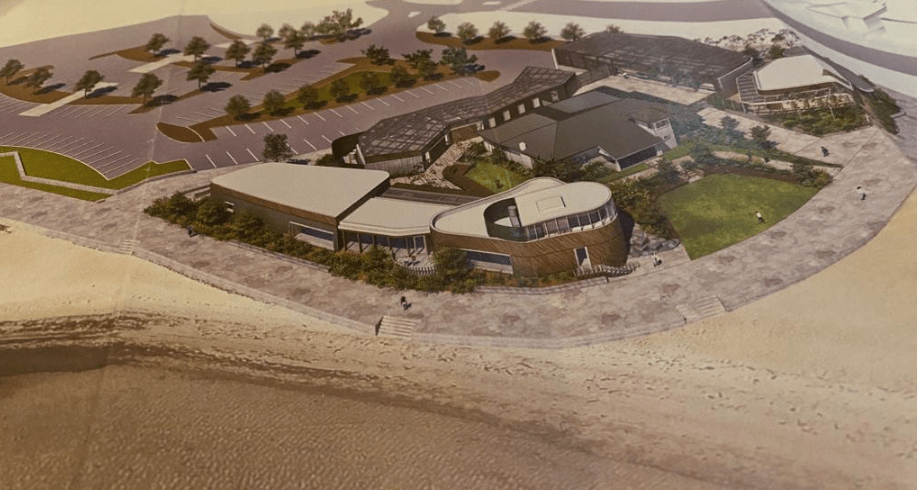
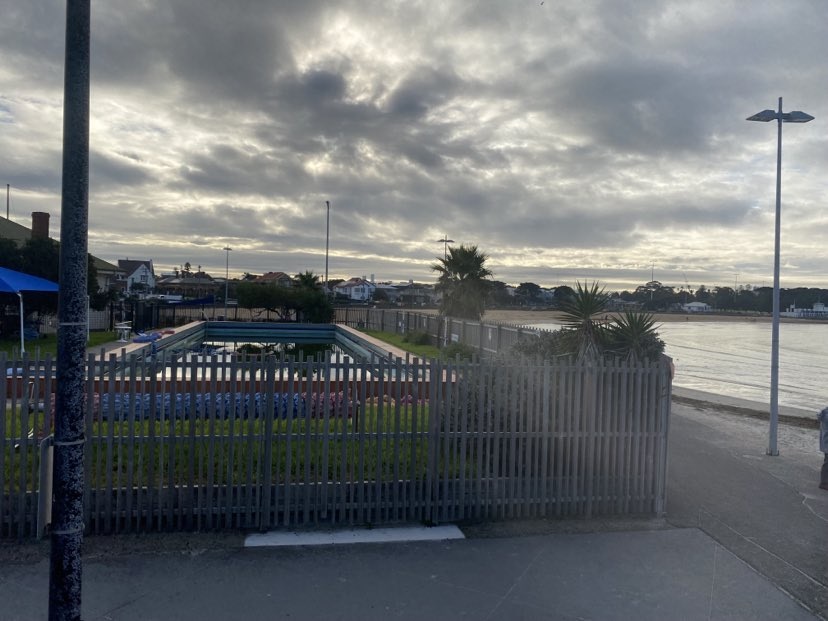
The beachfront pathway, outside the WSLSC fence is busy and currently features benches for people to meet, under trees. The plans seem to remove the benches and replace with ledges and raised garden beds. With the removal of the pool, an opportunity for public space could be realised. The proposed plans replace the pool with a large administration block, members-only gym and steam room.
While open water swimmers will welcome the addition of a tower and beachfront first-aid room for essential lifesaving services, the other buildings could be located elsewhere onsite or moved slightly back to accommodate more public areas.
The removal of the ‘Members Only’ fence enclosing the lawn in front of the WSLSC hall is a step forward. This is a publicly-funded facility for supporting lifesaving and safer swimming, not a private beach country club.
The public showers, change area and toilets are shared by patrons of The Kiosk. There are not enough toilets, showers and changerooms for a popular beach. The redevelopment plans don’t adequately address the need for significantly upgraded public facilities.
This picture is taken at 7am and already there is a 20 minute queue for a toilet at Williamstown Beach. Two overwhelmed public toilets at the western end of the beach is clearly not enough.
The active zones at the western end of Williamstown Beach are not adequately recognised in the redevelopment plans.
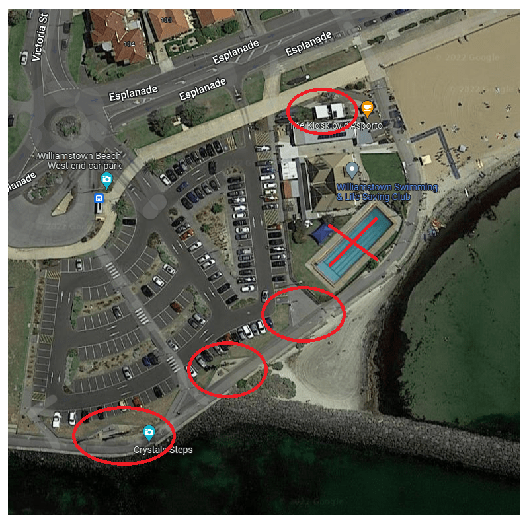
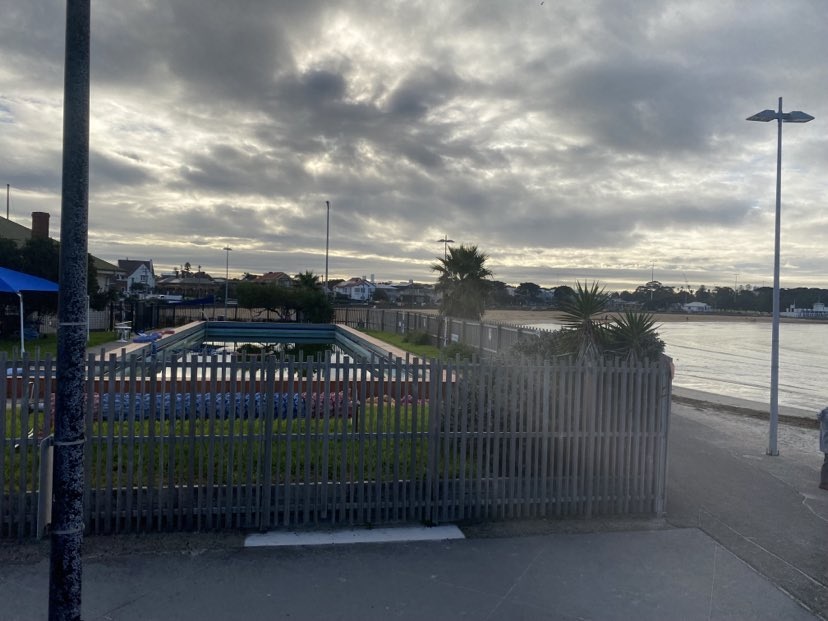
The three red circles at the bottom of this pic highlight where regular swimmers meet and access the water. The top red circle is the toilets and changerooms. The pool could be readily removed and the area opened up for meeting places, gathering spaces, shade, shelter for the public.
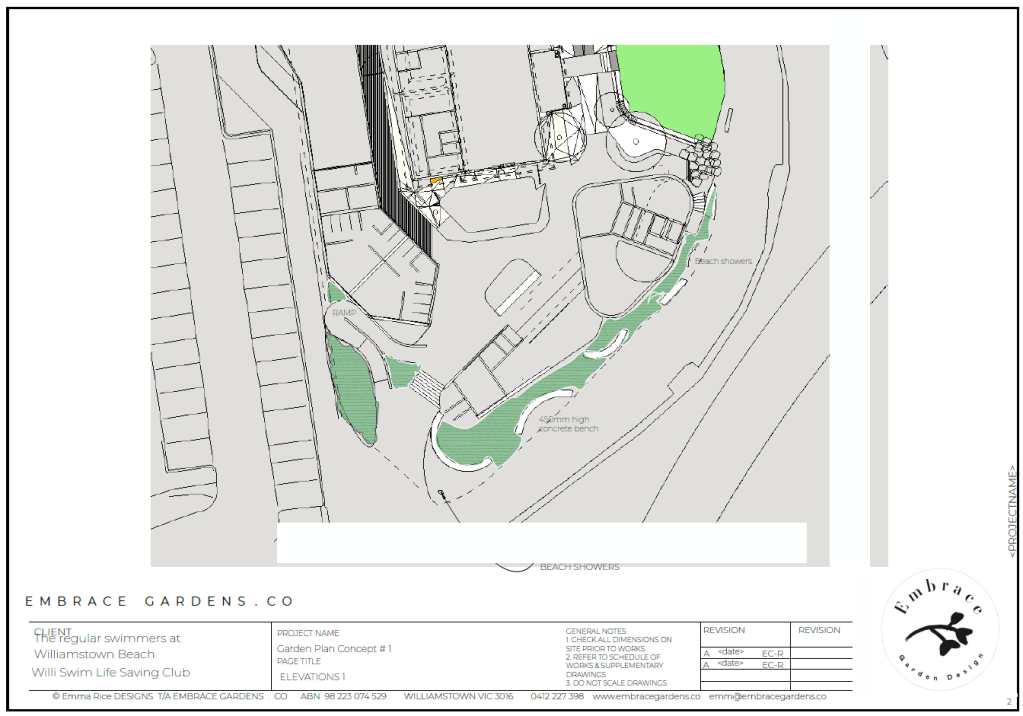
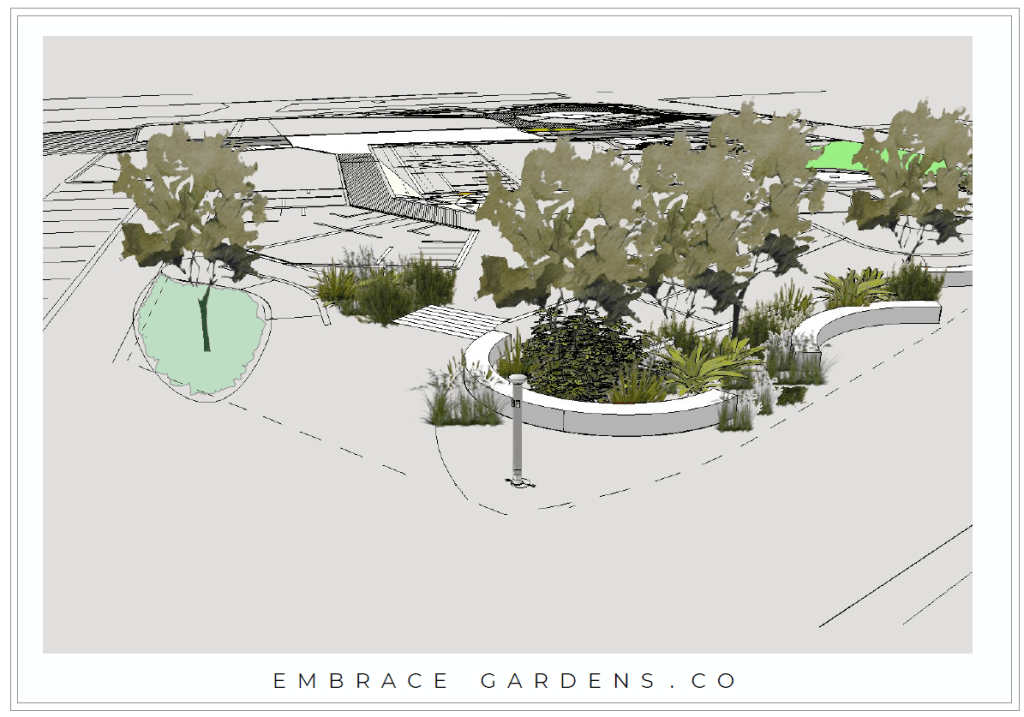
This image below is a suggested design by Embrace Designs at Newport:
The proposed buildings that will replace the pool have been moved slightly back 1 – 3 metres to provide more room around the busy pathway. The current fenced-off pool area divides and imposes on public access to the beach. The pool can not be adequately managed to modern health and safety standards by volunteers and is mostly unused.
In Embrace Design’s plan, green areas and seating sit between the pathway and the wall of the WSLSC buildings. The south west corner of the WSLSC site no longer creates a choke-point at the carpark, but an inviting, welcoming public space:
Most Melbourne beaches do a better job than Williamstown at providing public facilities for swimmers. A problem with one toilet or shower means remaining facilities are overwhelmed.
Overwhelmed public facilities means more people will potentially want to join the WSLSC and less space will potentially be available for improved public facilities.
The proposed beach redevelopment plans do not increase the number of public toilets at Williamstown Beach, despite regular 30-minute queues in summer and a petition of more than 1,100 beach users. There is also no increase in the number of public showers.
This pic (below) of a long line to go to the toilet is not unusual. The proposed redevelopment plans contain the same number of toilets, no increase, so the thirty-minute wait will continue long into the future.
It looks like the existing line-up of two cold, open showers and two warm showers in changerooms will become four changerooms, no open showers. The area around the change rooms looks cramped and clearly very close to people eating at the outdoor dining area of The Kiosk.
The front lawn of the lifesaving club will be unfenced but is clearly still part of the club footprint. The club seem to be getting four hot showers for men and four for women inside bigger change rooms, so double the capacity that the public will squeeze into.
The new plans show where public swimmers meet – swimmers are pictured meeting in the green circles below! – and show how they are exposed to the wind (represented by squiggly lines).
But the plans provide public facilities that are a long way from where the public swimmers meet and there are no additional facilities than the overcrowded existing two toilets and four showers.
You can clearly see swimmers meeting in the green circles in the site analysis aerial picture issued by Hobsons Bay City Council (above).
Green circles mark where swimmers are meeting and leaving their belongings. The new public facilities are circled in red. The swimmers get a wall, a windy exposed ledge and overcrowded toilets and showers a long walk from the water and, still, next to the diners at The Kiosk.
At the major bottleneck corner, in the bottom left of the above picture, the plans propose retaining the rubbish and recycling bins next to the lawn, (despite previous HBCC plans to move them), breaking the lawn into two ledges and replacing the pool fence with a gated ramp next to an administration block wall.
The area at the corner of the carpark and the existing pool, where swimmers walk down steps to the beach or around the shared path toward The Kiosk, is a busy pedestrian and vehicle bottleneck in summer.
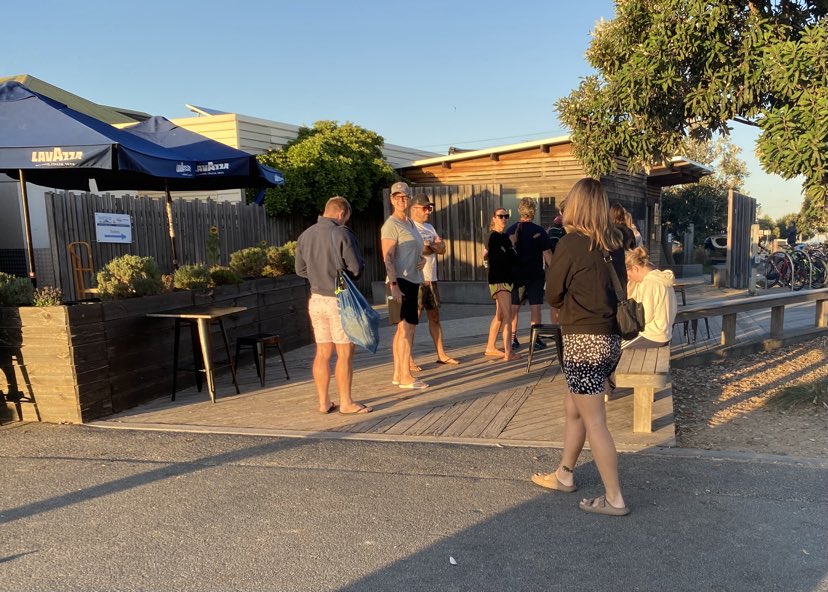
Swimmers access the water here and exit back to the carpark. From here they must walk 150m to the overcrowded change rooms and toilets, where they can expect to wait up to 30-minutes in summer months. None of that will change.
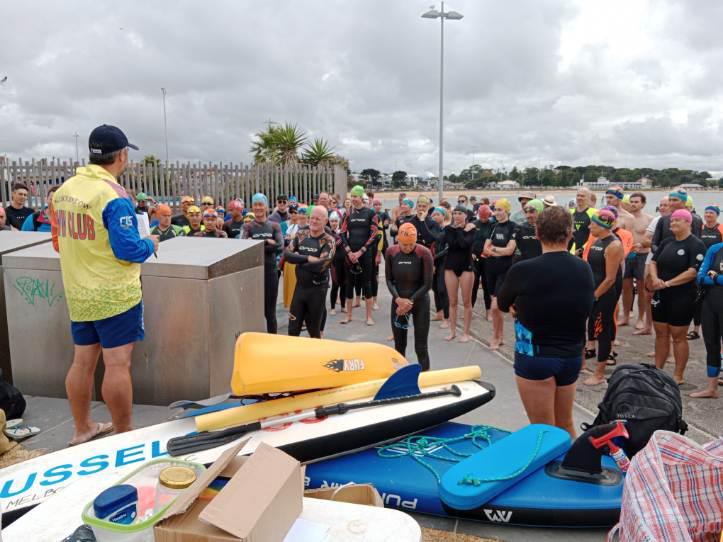
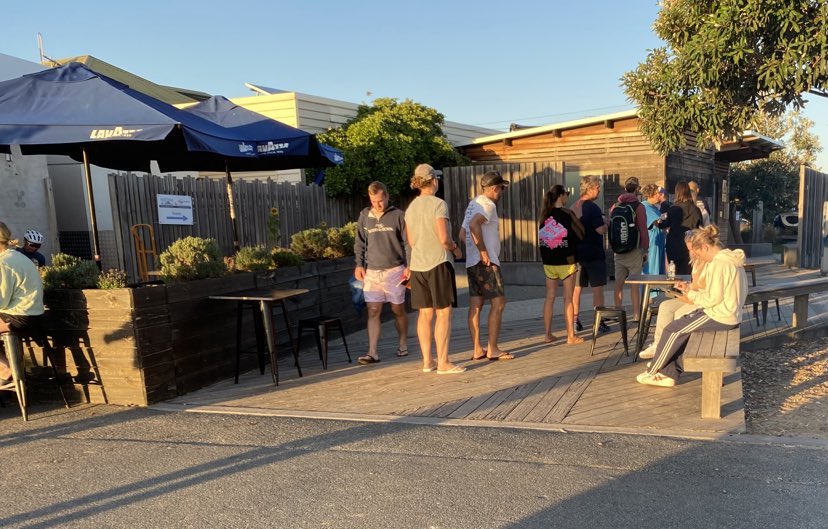
Here at this place swimmers meet for swim groups. Kayak groups, scuba divers, families and community groups also meet here.
Opening up the area currently occupied by the WSLSC pool to the public for shade, shelter, meeting and gathering spaces would be a better outcome for this prime piece of Williamstown publicly-owned foreshore.
High concrete walls two metres from the sea with ledges and window sills for swimmers to huddle around while exposed to the wind. This is the current plan just released by Hobsons Bay City Council.
In the picture below, the intrusive pool fence will be replaced, not by open public gathering space, but by a locked gate, a ramp and a high administration block concrete wall.







 Williamstown Open Water Swim Coaching